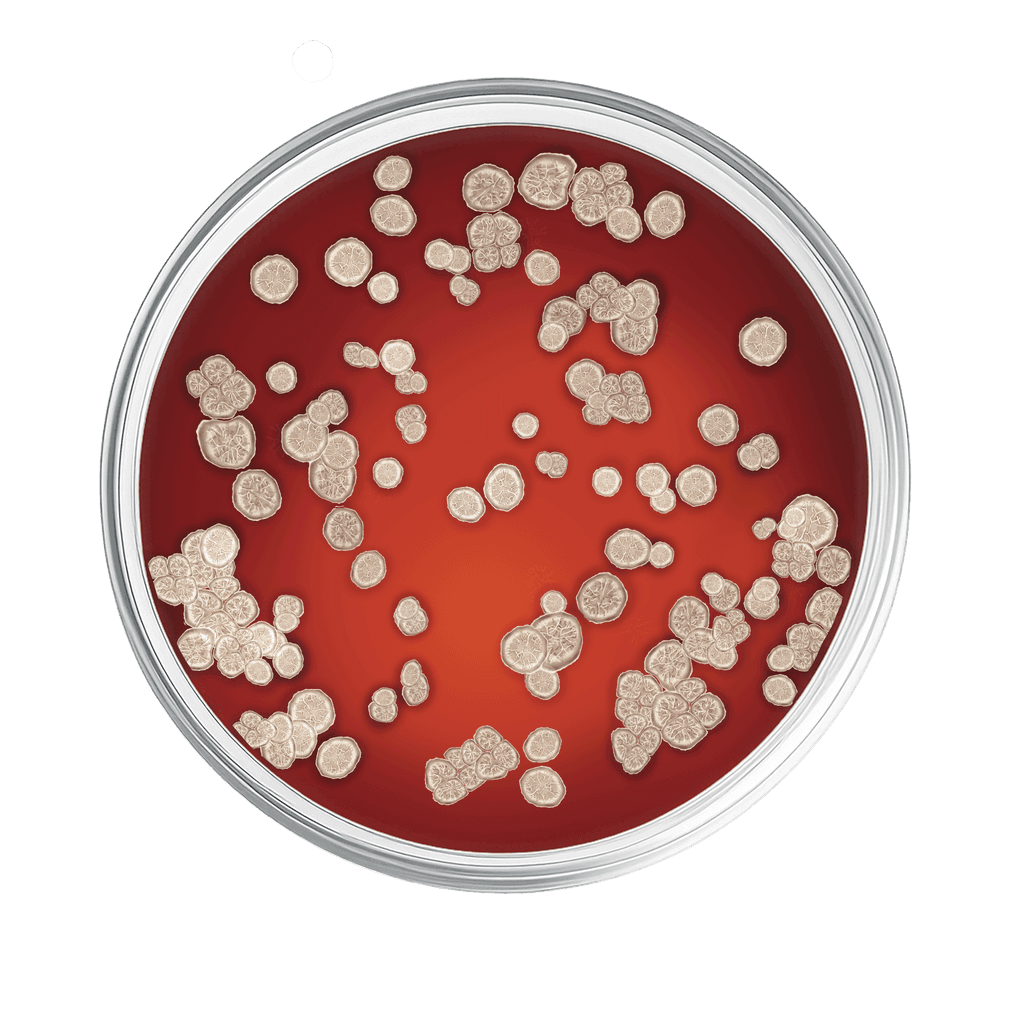
Bacillus subtilis
Infections and Diseases
Rarely pathogenic
Opportunistic infections in immunocompromised people and hospitals.
Foodborne illness: Spore contamination in food
Self-limiting (mild diarrhea, nausea)
Can cause eye infections (keratitis, endophthalmitis) in rare cases.
Morphological Details
Rod-shaped (Bacillus)
Typically single or in short chains
Gram-positive
Spores: Produces highly resistant endospores, allowing survival in extreme conditions
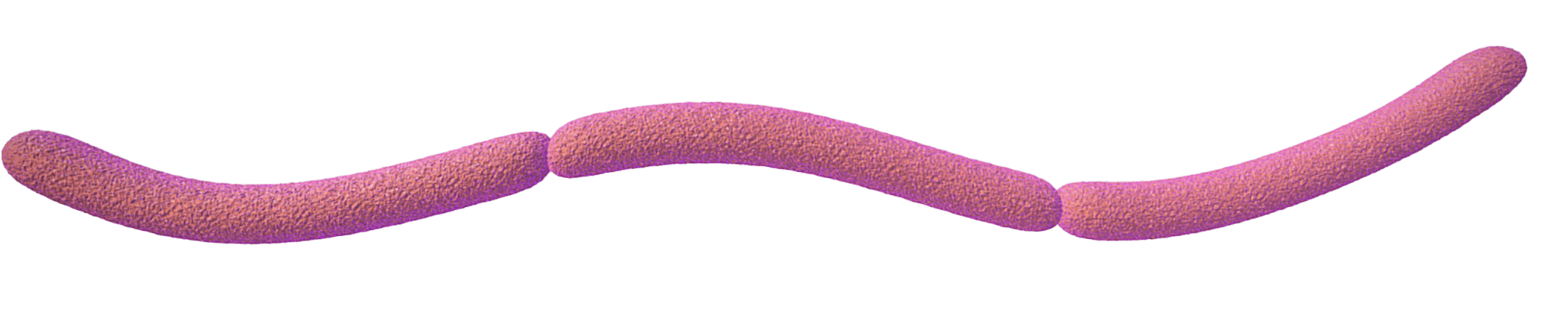
Click Model to View in 3D!
Identifiable Physical Features
Irregular, spreading edges
Medium to large (2-3 mm in diameter)
Off-white, cream, or light yellow
Dry & Wrinkled (due to biofilm production)
Mucoid
-If encapsulated strains are present
-Sticky & Stringy - Due to extracellular matrix production
Beta-hemolytic
Facultative anaerobe
Additional Facts
Antibiotic resistance concerns:
Naturally resistant to some antibiotics (e.g., penicillins) due to spore-forming abilities
Some strains are used as probiotics in gut health supplements
B. subtilis is used in biotechnology to produce enzymes (e.g., amylase, protease) for detergents
and food processing